

Entertaining Without Overwhelm – How Design Choices Make Hosting Effortless
By Nic Haysey, Haysey Designs — Interior Designers based in Northamptonshire

Hosting season has a habit of creeping up on us all.
One minute it’s a little, oh that’s coming up type thought in the back of your mind, the next you’re rearranging chairs at 6pm with guests due at 7pm with a slight sweaty panic, wondering why the living room never quite works when there are more than four people in it.
The good news is that a home which hosts really well isn’t about having more space, more furniture or more “stuff”. It’s about a handful of design decisions, made calmly (actually) and well in advance (ideally), which mean your home does the work for you on the night -no last-minute furniture rearranging, no scrambling for extra seating from family or neighbours or pinching chairs from the teenagers rooms, no serving dinner balanced on laps because the table won’t quite stretch even with the garden table placed along the bottom of it.
At Haysey Designs, entertaining is one of the first things we think about when we’re planning a layout, because so many of our clients tell us the same thing- they love having people round, but their home doesn’t quite make it easy enough to fathom doing it, or sometimes, they have been so stuck with how to decorate, they’d rather their guests didn’t see the inside.
Here’s how we approach it, and a few practical things you can put in place before this year’s hosting season begins.
Thinking about your layout ahead of the festive season or a bigger event? Book a consultation with me here or find out more about our Exploratory package.
1. Plan your zones before you plan your menu
Before you think about nibbles, 3 courses or seating plans, think about how people will actually move through the room naturally. Great hosting design usually comes down to three loose “zones”: somewhere to arrive and put down a drink without thinking too much about how to navigate through furniture, somewhere to sit and talk relatively comfortably, and somewhere for food. They don’t need walls between them, just enough definition that guests know where to go without you pointing the way all evening.
In an open-plan space, this might mean a coat stand by the door for outer wear, an empty shoe rack and a bench or stool, a cluster of seating in the living room angled to encourage conversation rather than lined up facing a television, and a dining area that’s clearly the dining area, not an afterthought squeezed into a corner.
Design Tip
If your dining table lives against a wall for everyday use, check it can be pulled out and fully surrounded with chairs when you need it. A table that only works with three sides free isn’t a hosting table, however handsome it looks.
2. Let lighting carry the mood, not the overhead spotlight
Nothing dampens a gathering more quickly than one bright ‘white’ LED style ceiling light doing all the work. For entertaining, you want layered lighting, which you can adjust throughout the evening: a dimmable elegant pendant or chandelier over the main table, a scattering of lamps here and there, different heights or styles at seating height, and the unforgettable soft light of candles for that final, unmistakable sense of occasion.
If you only make one change ahead of hosting season, put your main living and dining lights on dimmers. It costs relatively little for a qualified electrician to do, and changes the entire feel of a room in mili-seconds, taking you from practical daytime lighting to something much warmer the moment your guests arrive.
Design Tip
Group lamps and candles at slightly different heights rather than all on one surface. It reads as more considered, designed and avoids the generic flat, one-note glow of a single bright lamp in a corner.
3. Choose furniture and surfaces that flex
A home that entertains really well tends to have furniture that can do more than one job at a time. By this we mean nesting or stacking side tables that usually might live tucked away most of the time but pull out to hold drinks for extra guests. Sofa tabled that tuck under the sofa, and are light enough to be easily moved when required. Stools that can double up as side tables, an extendable dining table rather than a fixed one.
Dining chairs that are comfortable enough to sit in for two hours, not just to look good in photographs. We are talking well upholstered, bottom considerate seating not the plastic ikea uprights that are advertised far too often in the media that create nothing other than a numb bum.
Surfaces matter too. If your worktops or dining table mark really easily, hosting becomes something to brace for rather than enjoy whilst you all review your child’s rudimentary artwork he created over dinner one evening, or the deep scratch when you moved the casserole dish across the table last weekend.
We often steer clients towards natural stone with a honed or leathered finish, or a well-sealed timber, precisely because they’re forgiving of a busy evening and a few careless glasses or crockery pieces.
Design Tip
Keep two or three extra chairs somewhere accessible, not in the loft, perhaps a garage or office room. If they’re easy to reach, you’ll actually use them instead of squeezing people onto stools.
4. Build in storage for the mess you don’t want seen
Effortless hosting is often less about what’s on show and more about what isn’t. Serveware, spare linens, extra glasses and the general clutter of a get-together need somewhere obvious to live, ideally close to where they’re used, so that clearing up mid-evening takes moments rather than a full kitchen reshuffle.
This is one of the reasons we build clever storage into a design from the beginning rather than adding it as an afterthought. A sideboard with useable shelf heights and depth – we mean actual capacity, a kitchen island with drawers sized for serving dishes, or a utility room that can absorb the overflow from a busy kitchen all mean the space in front of your guests stays calm, even when the space behind the scenes very much isn’t. Makes for a much easier evening for you at the very least.
Design Tip
Keep a dedicated “hosting drawer” or cupboard with coasters, spare napkins, matches and a corkscrew all in one place. It sounds small, but it removes a surprising number of last-minute searches when you are busy taking drinks orders and trying not to leave a pre-planned dish in the oven.
5. The small touches that make guests feel hosted, not managed
The final layer is the least about furniture and the most about atmosphere.
A signature scent is well known by us all to help create a mood, and we do that regularly with candles or diffusers (just keep a check on the ingredients for non-toxic options so you don’t give anyone a headache!), a considered playlist, a tablescape that mixes textures rather than matching everything exactly. None of this needs to be elaborate. It’s the difference between a room that’s been tidied and a room that’s been thought about.
These are also the easiest things to get right without any building work or big spend, which makes them a good place to start if you’re planning for this year’s hosting season rather than a longer-term project.
A quick checklist before your next gathering:
- Walk the route from your front door to your seating area. Is anything in the way?
- Check your main lights are on a dimmer, or add lamps and candles where they aren’t any.
- Confirm your table can seat the numbers you actually host, not just the numbers it was designed for.
- Have a home for spare chairs, serveware and linens that isn’t the loft ideally.
- Set one “scene” element, whether that’s a scent, a playlist or a tablescape, so the room feels considered the moment guests walk in and you feel excited to greet them and fully ‘guest ready’.
Frequently asked questions about hosting-ready design
Do I need to redecorate to host well?
Not at all. Most of what makes a home hosting-ready sits in layout, lighting and storage rather than redecoration. A few of the changes above, particularly dimmers and a dedicated storage spot, can be done without touching your decor at all.
What if I don’t have a separate dining room?
Open-plan homes can host just as well as a formal dining room, sometimes better. The key is treating your dining area as its own zone, even without walls, through lighting, rugs, furniture placement and a table that’s genuinely large enough for the numbers you host.
How far in advance should I plan this?
If you’re thinking about anything involving furniture, joinery or layout, give yourself a few months, particularly ahead of a busy season when tradespeople and suppliers are in high demand with the overspill from the summer. Smaller changes like dimmers, extra seating or storage solutions can often be sorted in a matter of weeks.
Can lighting alone really make a difference?
Yes, more than most people expect. Of everything covered here, lighting is usually the single change that has the biggest impact on how a room feels for the least amount of disruption or cost. It is hugely underestimated and I know we talk about this a lot in our blogs, but it truly does create a dynamism in an interior that can’t be encouraged enough.
If your home doesn’t feel like it quite makes hosting easy for you yet, that’s a design question, not a hosting one.
Whether you’re planning ahead for the festive season or you’d simply like your everyday spaces to work harder when people come round, get in touch to talk through your project.
Nichola Haysey is the founder of Haysey Design & Consultancy, a boutique interior design studio based in Northamptonshire. With over ten years’ experience working on period properties, character homes and contemporary extensions across Northamptonshire, Market Harborough, Rugby, Warwick and the wider Midlands, she specialises in calm, considered interiors that balance beauty with everyday practicality.
Her work ranges from full-service, multi-room refurbishments through The Signature Experience to carefully planned extensions and focused design consultations through The Exploratory. You can see a selection of the team’s recent projects in their portfolio.
Related Blogs
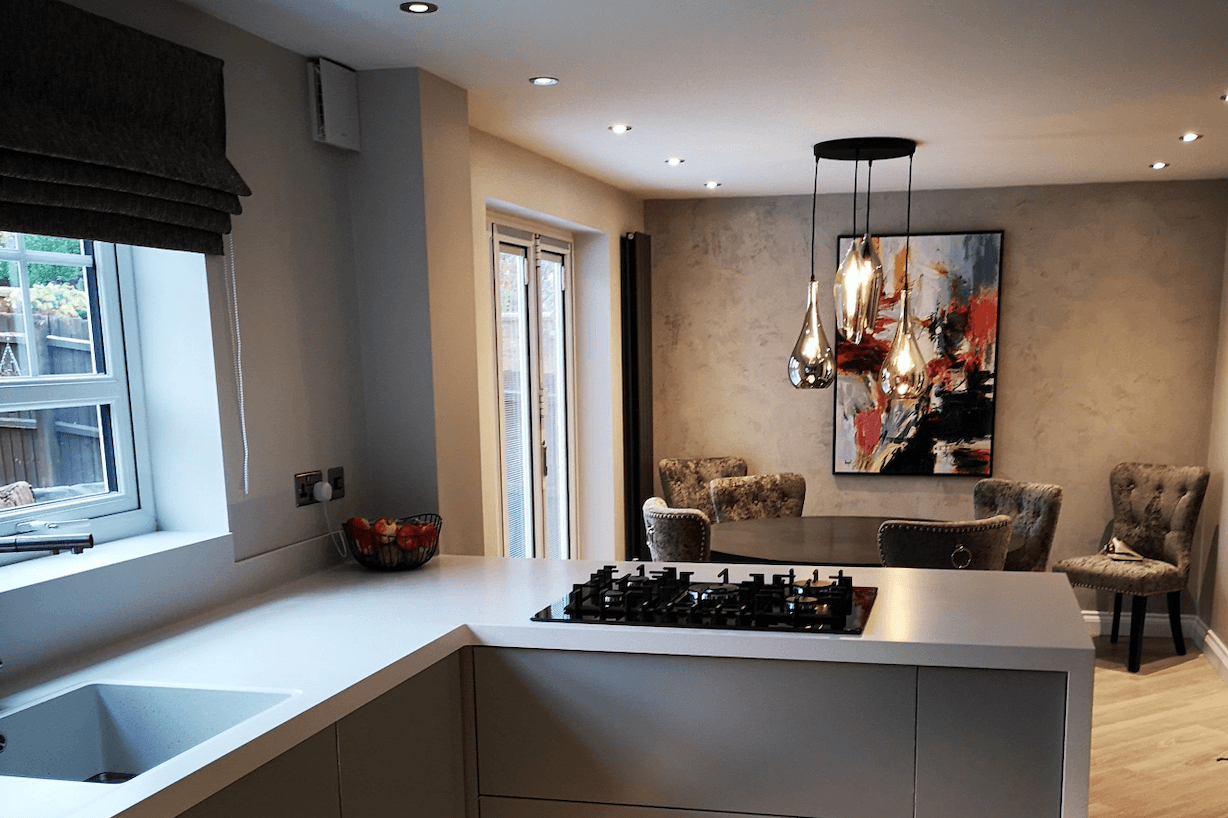
Lighting Designer vs Interior Designer: What’s the Difference (and Why You Might Need Both)
If you're wondering how to make an open plan space feel comfortable, this is…
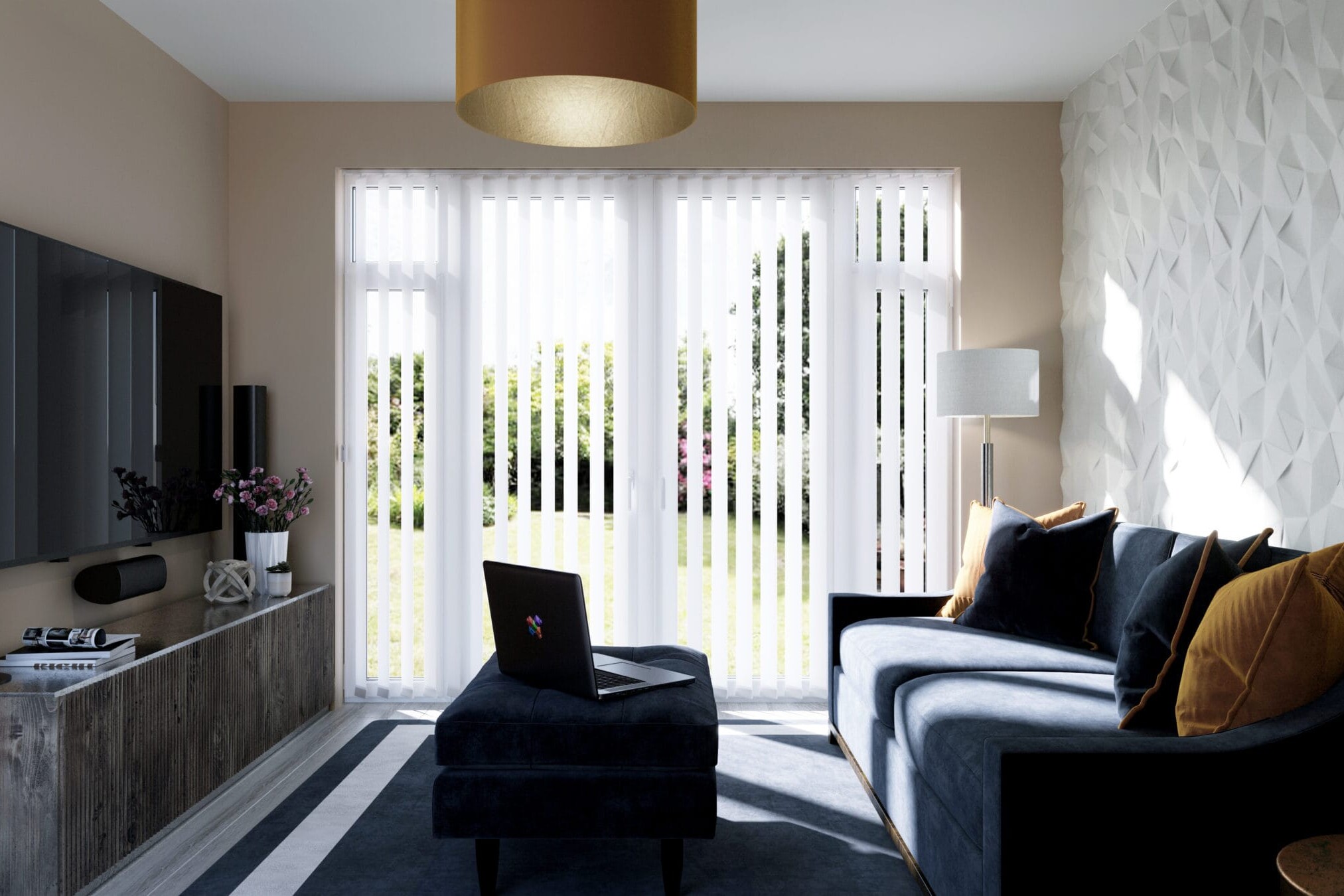
Designing Skylight and Bifold Spaces for Comfort in the Heat
If you're wondering how to make an open plan space feel comfortable, this is…
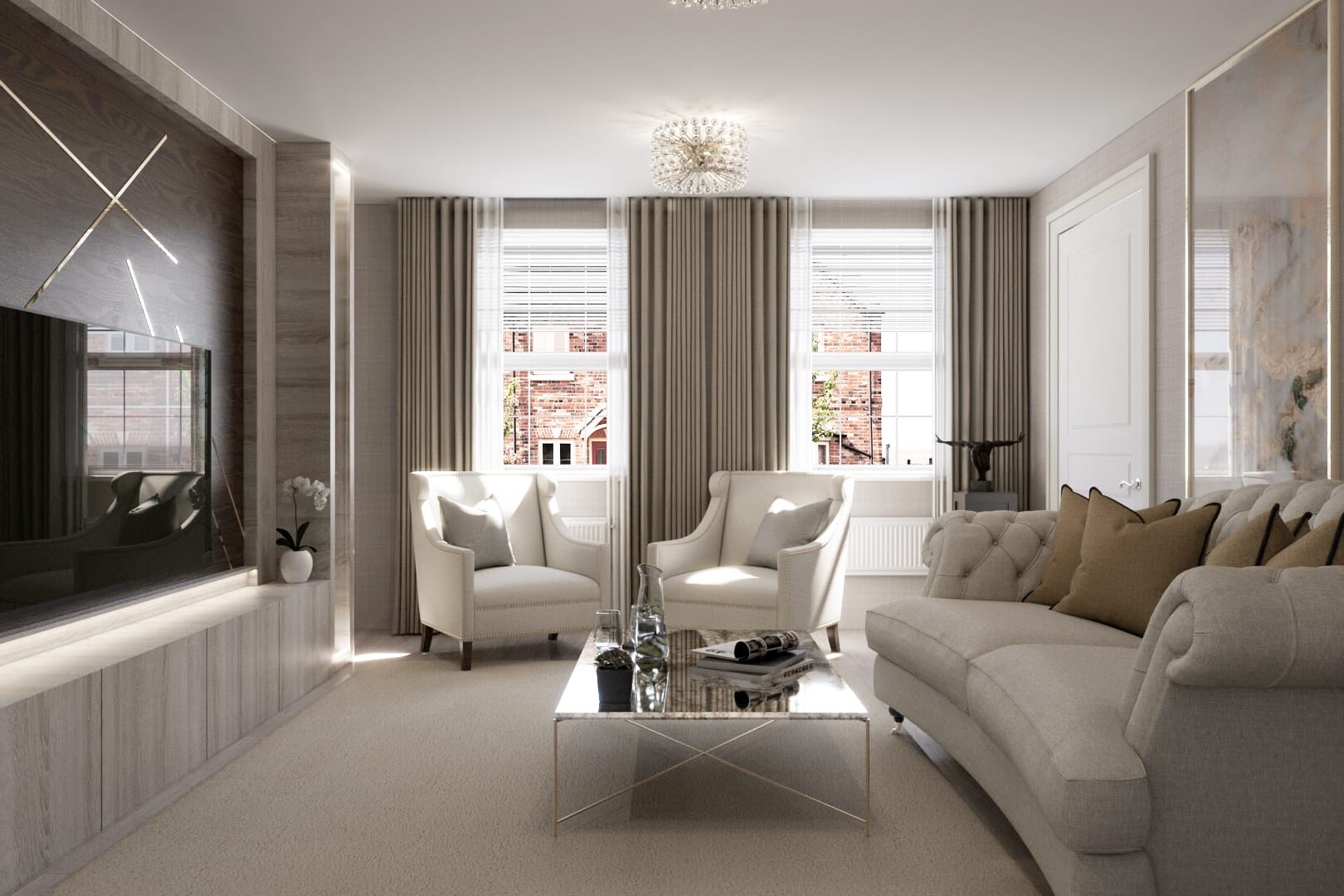
Why Open Plan Spaces Are Harder To Live In Than They Look
If you're wondering how to make an open plan space feel comfortable, this is…