

Designing Skylight and Bifold Spaces for Comfort in the Heat
By Nic Haysey, Haysey Designs — Interior Designers based in Northamptonshire
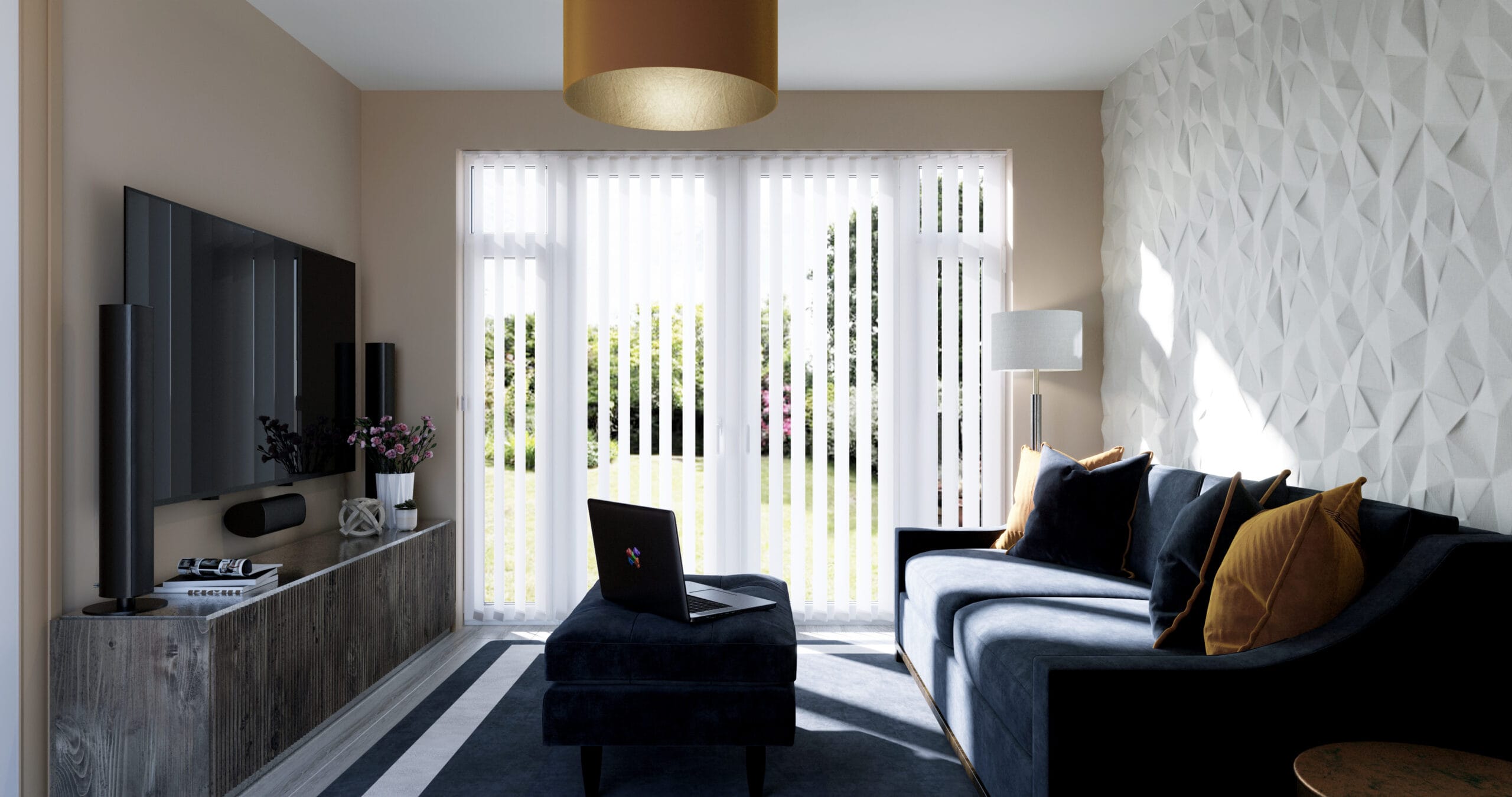
There is a particular moment most of my clients with big glazed extensions know well. It is a warm afternoon in July, the sun has swung round, and a kitchen or garden room that felt like the best space in the house all spring has suddenly become somewhere everyone quietly avoids.
Skylights and bifold doors do wonderful things for a home. They pull in light, blur the line between indoors and out, and make even a modest extension feel generous. But glass has a habit of amplifying whatever the weather is doing, and in the height of summer that can mean glare, stuffiness and a room that heats up faster than anywhere else in the house.
This time of year is when I get quite a few requests to review spaces with clients, not to start again, but to look properly at shading, ventilation and glare options that will enhance and not take away from the overall look and feel of their spaces, and make small, sensible adjustments that keep the room comfortable rather than something to escape from.
Finding your glazed extension harder to enjoy in summer than you expected? If you would like help reviewing shading, ventilation and glare in an existing space, you can book a consultation with me here or find out more about The Exploratory. Air conditioning can absolutely help but it can increase electricity bills and although highly effective can be unsightly. There are some fabulous new hidden integrations available now but before what can be a significant investment, many Clients prefer to deal with this part first.
1. Why glazed extensions heat up faster than the rest of the house
It is worth understanding why these rooms behave so differently before working out what to do about them.
- Glass has very little thermal mass, so heat moves through it quickly in both directions.
- Rooflights sit at the point where the sun is strongest for most of the day, not just in the morning or evening like a vertical window.
- Bifold doors often span an entire wall, so there is simply far more glazed surface than in a conventional room.
- Open plan layouts mean warm air has nowhere to go, and it tends to gather exactly where the family spends the most time.
None of this means glazed extensions are a mistake, far from it. It just means they benefit from being actively managed through the warmer months, in the same way you would adjust heating and lighting through the winter.
2. Shading, without losing the light you love
The instinct with a very sunny room is often to reach for blackout blinds and be done with it. I would encourage a slightly more considered approach, because the whole point of these spaces is the light.
- External shading, such as a retractable awning or a well positioned pergola with a louvred or retractable roof, stops heat before it ever reaches the glass, which is far more effective than anything fitted indoors.
- For rooflights, internal blinds with a reflective or pale backing bounce more heat back out than a dark fabric will.
- Motorised or remote controlled blinds on rooflights are worth the investment if the glazing is out of easy reach, because a shading system nobody can easily reach or be bothered to operate will not get used.
- Planting, whether it is a mature tree, a pergola dressed with a climber, or simply well placed tall shrubs outside a bifold run, can take the edge off afternoon sun without a single mechanical part.
Design Tip: If you are shading bifold doors from outside, look at the angle of the sun in July and August specifically, not spring. A shade that works beautifully in May can fall well short by midsummer when the sun sits higher and more directly overhead.
If you really want to enhance your green credentials, and your garden and surrounding areas have the space available, then planting trees are a wonderfully natural way to cool the earth and add some heat absorption to your home environment.
3. Ventilation: letting the space breathe properly
Shading deals with heat coming in. Ventilation deals with heat that has already built up, and this is the part that gets overlooked most often.
- Vented rooflights, opened for even a short period morning and evening, allow warm air to escape upwards, since heat naturally rises and gathers at ceiling height.
- Where bifold doors and rooflights are on opposite or adjacent sides of a room, opening both creates a gentle cross flow of air that makes a genuine difference without needing mechanical cooling.
- Ceiling fans, particularly in rooms with vaulted or raked ceilings under a rooflight, help move that pooled warm air back down into the space where it is actually needed. Just be sure, if installing a fan for a vaulted ceiling, it is designed specifically for that purpose with the correct drop and stabilizing capabilities for an offset install if being installed on sloping beams.
- If you are at the planning stage of an extension, it is worth discussing automated vents on rooflights with your architect, set to open slightly once a room reaches a certain temperature, so the space is managing itself before anyone even notices it has warmed up.
Design Tip: Open windows or vents on the shaded side of the house first thing in the morning, while the air outside is still cool, then close everything up as the day heats up. It sounds simple, but it keeps far more of that cooler air trapped inside than opening things up at midday.
4. Managing glare without losing the view
Heat is only half the problem. Strong summer light through a large expanse of glass can make a room genuinely difficult to use, whether that is glare on a screen, a washed out feeling in photographs, or simply not being able to see the television comfortably in the middle of the afternoon.
- Sheer blinds or voiles on bifold doors soften direct light without blocking the view or making the room feel closed off, much as they would on a standard window. They create elegance, luxury and sophistication whilst working hard for you.
- Positioning seating and workspaces so they sit at an angle to the glazing, rather than directly facing it, reduces glare considerably without any additional treatment at all.
- Matt rather than high gloss finishes on worktops, floors and furniture nearby help avoid the bounced, secondary glare that comes from light reflecting off shiny surfaces. Oh hello eggshell and matt paints (personal favs).
- Where a rooflight sits above a specific zone, such as a dining table or a kitchen island, a simple pleated or cellular blind fitted just to that section can solve the problem without shading the whole room.
Planning a new extension with bifolds or a rooflight? This is exactly the kind of detail we build in from the outset as part of our full service interior design projects, rather than leaving shading and ventilation to be solved after the build is finished.
5. Bringing shading, ventilation and glare together
The rooms that stay comfortable all summer are rarely the ones with a single clever product. They are the ones where shading, ventilation and glare have all been thought through together, so each does its own job rather than one element trying to compensate for the others.
When I revisit a client’s glazed extension at this time of year, I am usually asking the same handful of questions.
- Where is the sun at its strongest through the day, and does the current shading actually cover that period?
- Is there a way for warm air to escape upwards, or is it simply trapped?
- Are the blinds or awnings easy enough to use that they will actually get used?
- Does the seating or working area sit somewhere the glare makes genuinely difficult to use in the afternoon?
Often the answer is a handful of small, practical adjustments rather than a large project, and it can transform how a family uses the room for the rest of the summer.
Frequently asked questions about shading, ventilation and glare
Do I need external shading if I already have internal blinds?
Internal blinds help with glare and privacy, but they do very little to stop heat building up in the room, since the sun has already passed through the glass by the time it reaches them. External shading, even something relatively simple like an awning, deals with the heat before it arrives.
Can I add automated vents to an existing rooflight, or does it need to be planned from the start?
Some rooflights can be retrofitted with automated or remote controlled opening mechanisms, though it depends on the make and how the roof is finished around them. It is always more straightforward, and often more cost effective, to plan for this at the design stage.
Will a ceiling fan really make a difference under a rooflight?
Yes, particularly in rooms with a vaulted or raked ceiling, where warm air naturally collects well above head height. A fan set to draw air downward in summer helps redistribute that trapped heat back into the room. Do ensure the fan is suitable for vaulted ceilings as they are not a one size fits all approach. Speak to an electrician or a lighting shop and they will guide you as to your best options for this.
Is it worth shading bifold doors if I love the uninterrupted view?
Very much so, and it does not have to mean losing the view. Sheer blinds, a well positioned awning, or planting outside the doors can all reduce heat and glare while keeping the connection to the garden that made you choose bifolds in the first place.
Ready to make the most of your glazed spaces?
Skylight and bifold spaces are some of the most rewarding rooms to design, and with a little seasonal attention, they can stay genuinely comfortable right through the summer rather than just looking good in photographs. There are a surprisingly huge amount of beautiful textures, fabrics and options to keep your home looking beautiful whilst working hard.
If you would like a fresh pair of eyes on shading, ventilation or glare in your own home, or you are planning a new extension and want it right from the start, get in touch and let’s talk it through.
About the author
Nichola Haysey is the founder of Haysey Design & Consultancy, a boutique interior design studio based in Northamptonshire. With over ten years’ experience working on period properties, character homes, contemporary extensions and new build planning projects across Northamptonshire, Market Harborough, Rugby, Warwick and the wider Midlands, she specialises in calm, considered interiors that balance beauty with everyday practicality.
Her work ranges from full service, multi room refurbishments to carefully planned extensions and focused design consultations through The Exploratory. You can see a selection of the team’s recent projects in their portfolio.
Related Blogs
Entertaining Without Overwhelm – How Design Choices Make Hosting Effortless
If you're wondering how to make an open plan space feel comfortable, this is…
Lighting Designer vs Interior Designer: What’s the Difference (and Why You Might Need Both)
If you're wondering how to make an open plan space feel comfortable, this is…
Why Open Plan Spaces Are Harder To Live In Than They Look
If you're wondering how to make an open plan space feel comfortable, this is…