

Why the Best Homes Feel Good Before You Can Explain Why

The hidden comforts that separate a beautiful space from one you genuinely love living in. Some of the best parts of a home are the things you don’t immediately notice.
Not the statement pieces people comment on when they walk in. Not the obvious design features or the carefully chosen materials. The quieter things. The ones that change how a space actually *feels* to be in.
The temperature that stays balanced throughout the house without you touching a dial. The room that feels calm and easy rather than echoey and tiring. The space that stays comfortable in January and in July without you constantly opening windows or reaching for a blanket.
It’s the kind of thing you only really notice when it’s missing.
At Haysey Designs, our Northamptonshire-based interior design studio, we talk about this with almost every client because the homes that feel the most luxurious to live in are almost always the ones where someone thought carefully about comfort, not just appearance.
A beautiful space still needs to feel good
You can have the most considered material palette, beautiful bespoke lighting and furniture laid out perfectly and the space can still feel wrong if the fundamentals haven’t been thought through.
A room that’s freezing in winter. A bedroom that never quite cools down in summer. An open plan kitchen that looks incredible in photos but feels slightly exhausting to spend time in because the acoustics are harsh and the sound bounces around in a way that’s hard to put your finger on.
Comfort is a huge part of luxury. It’s just rarely the first thing people talk about when they’re planning a project.
And most of it happens completely behind the scenes.
Acoustics are the thing nobody mentions until it’s too late and we see it more and more often- certainly in the aftermath of the covid open plan living properties- all those walls knocked down and the handy LVT installs that helped budgets to stretch and the stunning bi-fold doors along the backs – caused a new issue for many people. That’s often when we then get brought into the project, to try and rectify the new issues that have been created.
Large open plan spaces do look incredible. But they can also end up feeling quite harsh if sound hasn’t been considered as part of the design.
Echoes. Noise carrying between rooms. Conversations feeling louder than they should. That slightly unsettled feeling you can’t quite name but can’t quite ignore either.
The good news is that acoustics are something a great interior designer handles naturally not through specialist technical fixes, but through the fabric, material and furniture choices they’re already making. It doesn’t have to be a separate conversation. It just has to be a considered one.
Walls where fabric does its best work.
Fabric wallpapers and fabric-backed wall coverings are one of the most elegant acoustic solutions available because they look like a pure design decision while quietly doing an enormous amount of work. Tektura(https://www.tektura.com) produce some of the most beautiful examples we’ve come across – genuinely stunning to look at, functional in ways most people would never guess. Philip Jeffries(https://www.philippjeffries.com) are equally brilliant and another of our faves, particularly their natural texture ranges which add warmth and acoustic softness in a way that feels completely intentional rather than remedial.
Beyond wallcoverings, upholstered wall panels and fabric-wrapped artwork panels are worth knowing about. A gallery wall of fabric-wrapped pieces in a hard echoing space can transform how a room sounds and nobody walking in would ever know that was part of the plan. It just looks considered. Because it is.
Floors and soft furnishings are the quiet contributors
Rugs are one of the most underestimated acoustic tools in a home, especially layered rugs on hard floors in open plan spaces. A generous rug under a dining table or a large sitting area rug doesn’t just anchor the space visually, it absorbs a significant amount of reflected sound.
Soft furnishings work the same way. Generous upholstery, cushions, throws, poufs are all individually small contributions that add up to a noticeably calmer acoustic environment. Full length curtains, particularly well-lined or interlined ones, are surprisingly effective. A beautifully made soft pelmet above a window treatment does quiet work that most people never consciously notice. They just feel more relaxed in the room.
Ceilings are without doubt the most forgotten acoustic surface
This is the one that surprises people most. The ceiling is an enormous flat hard surface and in most homes it does absolutely nothing for acoustics which in a double height kitchen extension or a large open plan living space can be a real problem.
Timber slat ceilings with acoustic material behind are having a well-deserved moment right now and for good reason. They look stunning and they perform brilliantly. Fabric-wrapped ceiling panels and baffles can work as sculptural design features in the right space. Even a statement pendant light with a fabric shade, or a series of them, contributes more than people realise.
In a home cinema or media room, stretched fabric ceiling systems give a clean, considered finish while providing serious acoustic performance.
The ceiling is worth thinking about. It’s one of the most impactful and least discussed surfaces in the room
When it needs to go deeper
Sometimes the solution is structural rather than decorative insulation, wall construction, glazing specification. These are decisions that need to be made much earlier in a project, ideally before anything goes on site. If you’re planning an extension or renovation and noise is likely to be a factor whether that’s sound between rooms, noise from outside, or the acoustics of a large open plan space, it’s worth raising early rather than hoping for the best.
These aren’t afterthoughts. They’re design decisions that do double the work and the best ones are completely invisible.
Temperature is the comfort you should never have to think about
A home feels completely different when the heating is balanced properly and rooms stay consistent throughout the day.
No freezing hallway. No bedroom that overheats every summer. No thermostat that three people in the house have a different opinion about.
You shouldn’t have to think about it constantly. The best systems are the ones you forget about entirely in spaces that feel comfortable naturally, whatever the season.
Underfloor heating is one of the most effective ways to achieve this, and whether a hot water or electric system is right for your home depends on the property, the floor build-up and how you use the space. It’s always worth having a proper conversation with a specialist contractor early in a project rather than leaving it until the screed is being poured.
Discreet air conditioning has come a long way from the wall-mounted units most people picture. The team at Calibre Climate (https://www.calibreclimate.com) are brilliant at this. They specialise in climate control solutions that genuinely blend into a home rather than competing with the design. Their options for concealed and low-profile systems are worth exploring if you want year-round temperature comfort without compromising on how the space looks. You can check them out here [calibreclimate.com]https://www.calibreclimate.com).
Zoning is the other piece of this, making sure different parts of the house work together rather than against each other, so the kitchen, the bedrooms and the living areas all behave differently because they’re used differently.
Most people don’t walk into a room and think “the temperature balance in here is exceptional.” They just feel relaxed. That’s exactly the point.
How light moves through a space
This is one, I – Nic Haysey talk about constantly with our clients at Haysey Designs and it’s one of the most underestimated aspects of how a home feels day to day.
The same room can feel completely different at 8am and 4pm. A north-facing space that feels gloomy in winter and perfectly calm in summer. A west-facing room that becomes almost unusable on summer evenings without the right window treatment.
Thinking about how light moves through your home is not just where the windows are, but how they’re dressed, what reflects or absorbs the light, how glazing choices affect glare and heat, again changes the experience of living there enormously.
It’s not something that can always be fixed after the fact.
It all adds up
Individually, any one of these things might seem like a detail.
Together, they completely define how a home feels to live in.
It’s the difference between a space that photographs beautifully and one you genuinely love spending time in. Between a house that looks right and one that *feels* right, the kind of place where you walk through the door at the end of the day and immediately feel better.
The homes that feel the calmest and easiest to live in ” the ones people describe as having “a really good feeling” without quite being able to say why almost always have this side of things thought through really carefully.
If you’re planning a project
These are the conversations worth having early before decisions get locked in on site and before budgets get allocated without room for the things that matter most.
Not just what the space will look like. But how it’s going to feel when you’re actually living in it every day.
How sound moves. How light changes. Whether the temperature stays comfortable year-round. Whether the space supports the way your family actually lives rather than working against it.
Because once everything is finished, these are the things you live with the most.
At Haysey Designs we work with homeowners across Northamptonshire, the East Midlands and beyond helping them think through exactly this kind of thing from the very beginning of a project. The practical and the visual, together, from day one.
If you’re planning a renovation, an extension or a new build and want to talk through the comfort and design side together, get in touch.
Sometimes a few small conversations early on make an enormous difference to how a home feels for years afterwards.
—
*Nic Haysey is an interior designer and founder of Haysey Designs, a full-service residential interior design studio based in Northamptonshire. Haysey Designs works with homeowners who want to live more beautifully, bringing together careful design, trusted specialist suppliers and genuine care from first conversation to final styling.*
—
**Suppliers mentioned in this post:**
– Acoustic wall coverings: [Tektura](https://www.tektura.com) and [Philip Jeffries](https://www.philippjeffries.com)
– Discreet climate control: [Calibre Climate](https://www.calibreclimate.com)
Related Blogs
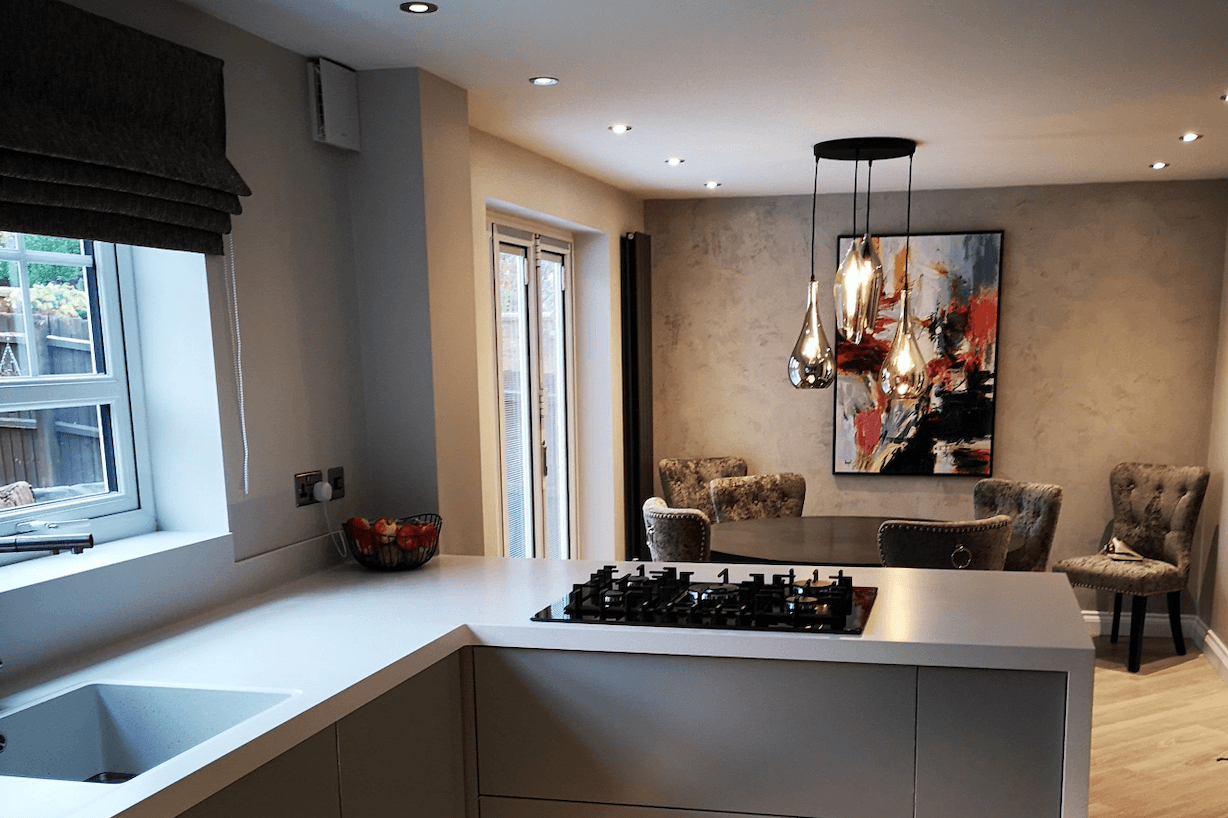
Lighting Designer vs Interior Designer: What’s the Difference (and Why You Might Need Both)
If you're wondering how to make an open plan space feel comfortable, this is…
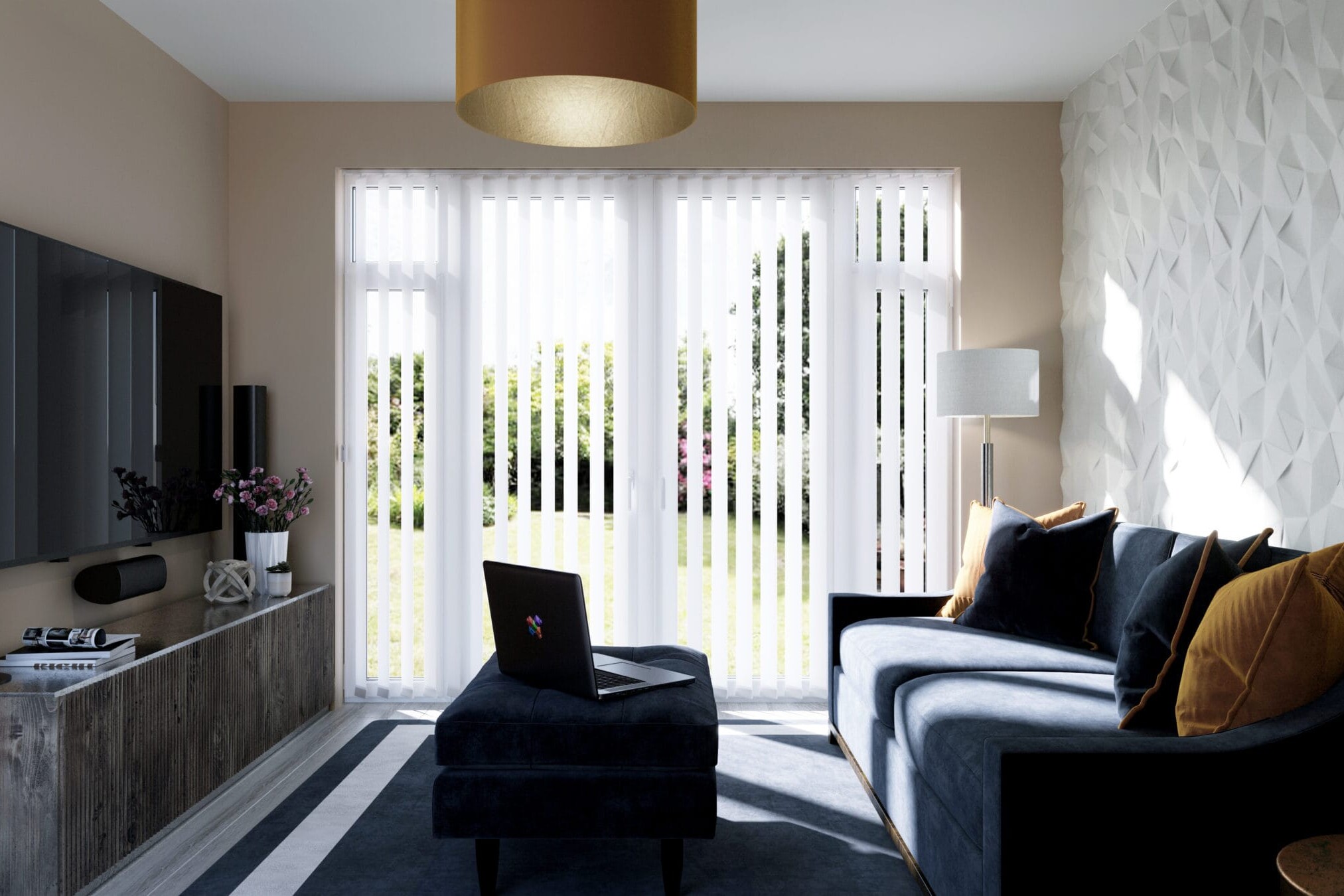
Designing Skylight and Bifold Spaces for Comfort in the Heat
If you're wondering how to make an open plan space feel comfortable, this is…
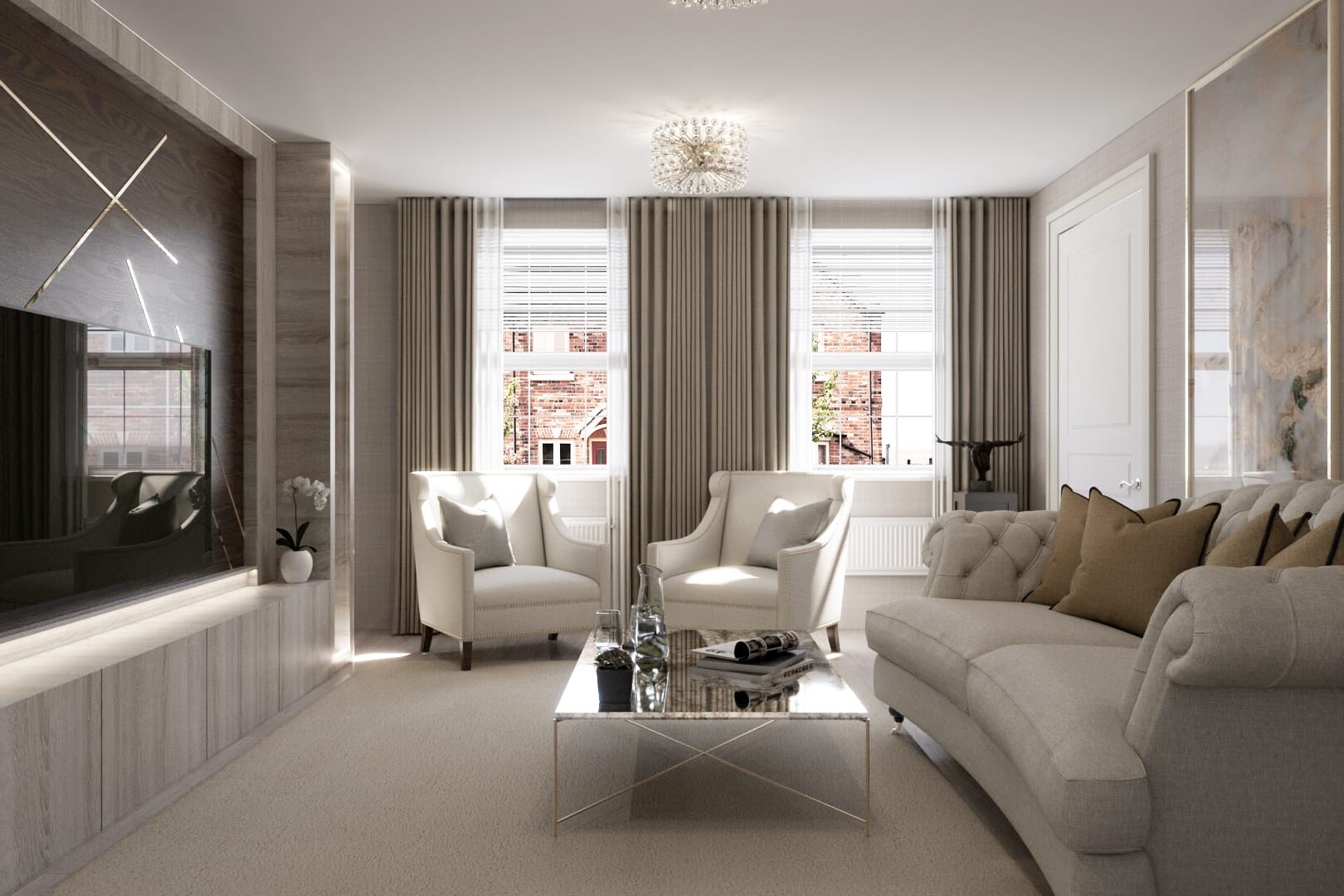
Why Open Plan Spaces Are Harder To Live In Than They Look
If you're wondering how to make an open plan space feel comfortable, this is…