

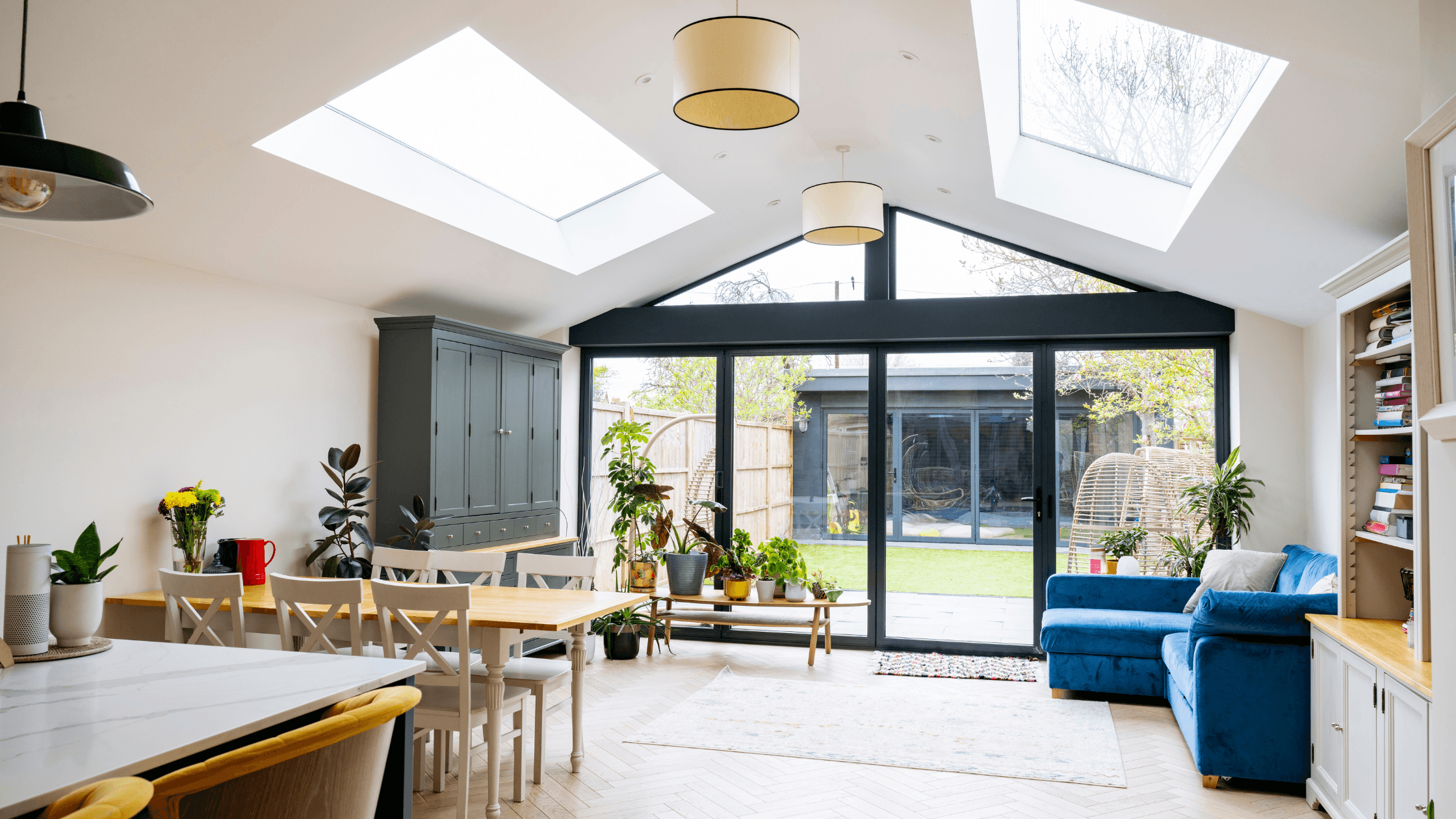
There’s a particular kind of home extension that instantly feels wrong.
You’ve probably seen it.
The original house has character and proportion… and then at the back there’s something that feels like it belongs somewhere else entirely.
Modern isn’t the problem.
Disconnection is.
If you’re planning a home extension and want it to feel seamless rather than bolted on, the key is understanding how to blend old and new architecture properly. Whether you’re extending a Victorian terrace, an Edwardian home, a 1930s semi or a cottage, proportion, materials and flow matter just as much as square footage.
A seamless home extension doesn’t need to copy the original house exactly. But it does need to relate to it. It should feel intentional — as though it belongs to the same story, even if it’s clearly a new chapter.
So how do you actually achieve that?
Start with the House You Already Have
Before thinking about bifold doors, roof lights or island sizes, pause and really look at the existing property.
What era is it?
What gives it identity?
What are the ceiling heights like?
Are the windows tall and rhythmic, or wide and symmetrical?
Every home has an architectural language. You can see it in the proportions, the materials and the detailing.
When homeowners focus only on gaining more kitchen space or opening everything up, it’s easy to overlook that language. And that’s when a house extension can feel like a separate conversation happening at the back of the building.
The most successful extensions respond to what’s already there rather than competing with it.
Adding a Modern Extension to a Period Property
You absolutely can add a modern extension to a period home.
In fact, contemporary additions can look beautiful when they’re handled with care.
The difference lies in proportion and restraint.
Does the new roofline sit comfortably alongside the existing one?
Is the extension overpowering the original house in height or width?
Do the materials feel considered in context?
You don’t have to replicate sash windows or decorative brickwork. But you might echo window proportions. You might choose brick that complements rather than clashes. You might allow the extension to be clearly modern — but visually calm.
A seamless home extension feels deliberate, not accidental.
Seamlessness Is Felt Inside, Not Just Seen Outside
It’s easy to focus on how an extension looks from the garden. But how it feels when you move through it matters just as much.
Pay attention to the transition between old and new.
If you’re stepping from a cosy, contained room into a vast open space with dramatically different ceiling heights, the shift can feel abrupt. Equally, if your original house has generous proportions, a compressed extension will feel mean.
Floor levels need careful thought too. Small changes in height or awkward thresholds can subtly disrupt flow. Sightlines matter more than people realise — what you see when you first enter the new space shapes your perception of it.
A well-designed home extension improves how you move through the entire ground floor, not just the new room.
The Details That Make the Biggest Difference
Seamless design rarely comes from dramatic gestures.
It comes from the quieter decisions.
Skirting boards and architraves should relate to the rest of the house.
Extremely slim, modern trims can look out of place if the existing property has more substantial detailing. Door heights need to feel proportionate. Flooring should suit the scale of the space — wider boards in wider rooms, materials chosen in relation to light and context rather than in isolation.
Even the junction where old structure meets new needs to feel designed. That meeting point should look intentional.
These are the details that most people don’t consciously notice — and yet they are often what determines whether an extension feels cohesive.
A Seamless Extension Elevates the Whole House
The best home extensions don’t just add space.
They improve circulation.
They reduce bottlenecks.
They bring natural light deeper into the plan.
They make the entire property feel more resolved.
A house extension doesn’t need to match the original perfectly. But it does need to respect its scale, rhythm and character.
When old and new are blended thoughtfully, the result feels layered rather than disjointed.
And that always feels better to live in than simply adding square metres.
Because a truly seamless home extension doesn’t shout for attention.
It simply feels right.
FAQs About Designing a Seamless Home Extension
Should a home extension match the original house exactly?
No. It doesn’t need to copy period features detail for detail. But it should relate in scale, proportion and materials so the whole property feels cohesive rather than divided.
Can you add a modern extension to a Victorian or 1930s house?
Yes — modern extensions can work beautifully with period properties when rooflines, proportions and materials are carefully considered.
How do you make a home extension feel like it was always there?
By paying attention to transitions — ceiling heights, floor levels, door proportions and architectural detailing. Seamlessness usually comes from thoughtful planning rather than dramatic design moves.
What makes a house extension feel disjointed?
Sudden changes in scale, mismatched materials, awkward layout transitions or extensions that improve one room but disrupt the overall flow of the house.
If you’re planning a home extension and want it to feel cohesive rather than inserted, I’d love to help you shape something that genuinely belongs — to your home and to the way you live.
Nic
Haysey Design & Consultancy
Thoughtful spaces, shaped around real life.
(In Plain English — and From a Designer who’s seen it all)
Related Blogs

Budget Shock: How to stay in control of your interior spend
Planning interiors is exciting… and it’s also where budgets quietly slip. Most…