

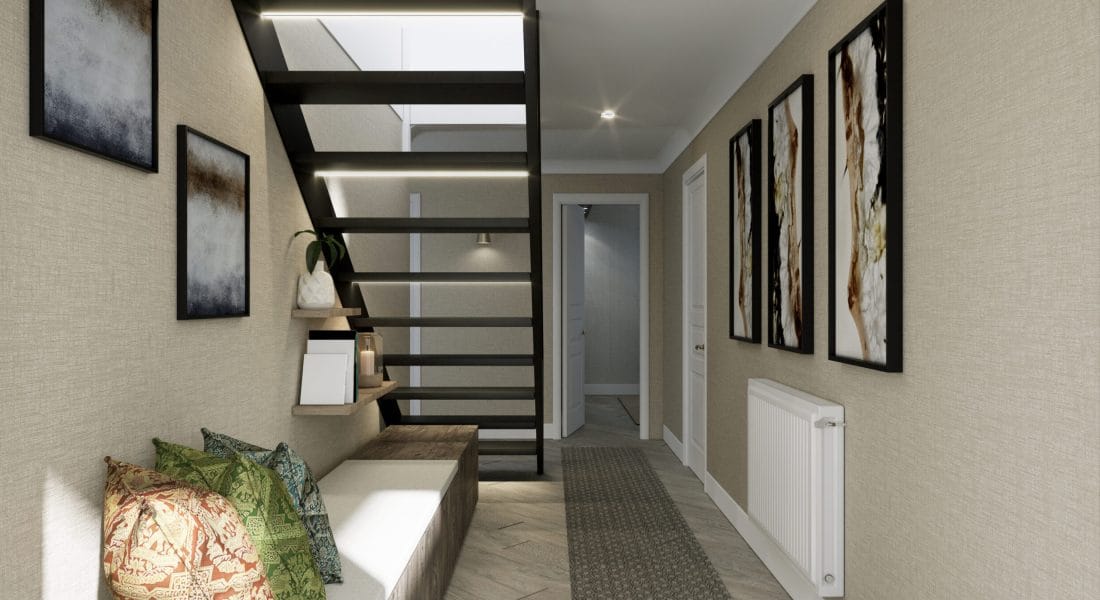
Flow is what makes a home feel seamless, welcoming and effortlessly functional. Achieving a sense of flow within your home means that all it’s pieces (the rooms, the elements of the design, the lighting, the layout all work together harmoniously and feel natural to its user.
At the heart of creating this seamless living, lies the crucial art of space planning and layouts, scale, balance proportion and problem solving.
What is Flow?
Flow in terms of interior design, for Designers – refers to the natural progression of movement and the visual connection between spaces within a home. It’s about how one room transitions into the next, how furnishings are arranged and how design elements create a unified story about you, the homeowner.
Good flow ensures that your home feels open, has a sense of balance, feels intuitive, enhancing both your day to day comfort and its overall aesthetic appeal.
At the heart of creating this seamless living, lies the crucial art of space planning and layouts, scale, balance proportion and problem solving.
The Role of Space Planning
Space planning or layouts as you may know it, is the strategic process of arranging furniture, the fixtures and all the elements of design to optimise the full use of a space. It’s not just about fitting things in; it’s about creating a space and environment where functionality meets the style.
This means to do this successfully, we must consider:
Traffic Patterns: Ensuring clear pathways for easy movement without obstacles (for example moving around sofas, beds, accessing pieces of furniture like drawers, wardrobes.
Purpose and Function: Designing spaces to serve specific needs while maintaining flexibility and by this we mean, comfort levels on seating, heights of furnishings, depths of tables, whether the storage is adequate, whether there are enough seats and room around a dining table.
Balance and Proportion: Arranging elements to create visual harmony. This is more to do with balancing heights of objects, where one corner has a tall piece, the opposite corner also needs height to make sense visually, wall lights often balanced in duplicate for important symmetry. You’ll often spot to table lamps either end of a sideboard, or you’ll see groups of 3 objects adorning a console or on a coffee table. A large sofa is flanked by chairs or benches to balance the key pieces.
Zoning: Defining areas for different activities while maintaining an overall cohesive feel. By this we mean the spaces link together visually, there is a flow of colour and décor without it feeling like one entire room. This is particularly important in open plan spaces, and for this we may diversify the flooring, or add area rugs to create a route around the home that makes sense naturally. Decorating corners and areas slightly differently using the same colour palette or just elements of the one before (like incorporating similar fabrics and textures – not just colours) to keep the connections but also creating a different feel to that particular zone are just some of the ways in which we achieve this.
Why Flow Matters
- Enhances Comfort: A well-planned space feels more comfortable to live in. There’s a natural ease when moving from room to room, without awkward layouts disrupting the experience.
- Maximises Space: Thoughtful space planning makes even smaller homes feel more spacious. By eliminating cluttered layouts, every square metre is used efficiently.
- Improves Functionality: Homes with good flow support daily routines effortlessly, whether it’s entertaining guests, relaxing with family, or working from home.
- Aesthetic Cohesion: Flow ties together different design elements—colours, textures, and styles—creating a harmonious look throughout your home.
How to Create Flow in Your Home
- Consistent Flooring: Using the same (for stretching spaces and adding the feeling of space) or complementary flooring materials (for zoning areas) across rooms helps spaces to feel connected.
- Open Sightlines: Arrange furniture to keep sightlines open (eg seating arrangements in a living room, bedroom layouts), creating a sense of spaciousness and continuity. This rule is also particularly important for doorways, through each entry way (where possible and we appreciate sometimes it is quite tricky to achieve), try to keep that view attractive, welcoming and open.
- Cohesive Colour Palette: Choose a colour scheme that flows from one room to another, using accent colours to define specific spaces without disrupting harmony. Linking colours or details are all important here.
- Strategic Furniture Placement: Avoid blocking pathways. Floating furniture away from walls and using rugs to define zones can improve both flow and function. This is super important and often underused in homes.
- Lighting Layers: Consistent lighting styles and well-placed fixtures guide the eye naturally through the home.
The Final Touch
Creating flow isn’t about making every room look the same; it’s about ensuring they speak the same language. When your spaces are thoughtfully planned, your home feels not just beautifully designed but also genuinely liveable.
At Haysey Designs, we believe that every home deserves to feel as good as it looks.
Thoughtful space planning is the foundation of this belief, transforming houses into homes that truly reflect the people who live in them.
Related Blogs

Budget Shock: How to stay in control of your interior spend
Planning interiors is exciting… and it’s also where budgets quietly slip. Most…
February 10, 2026